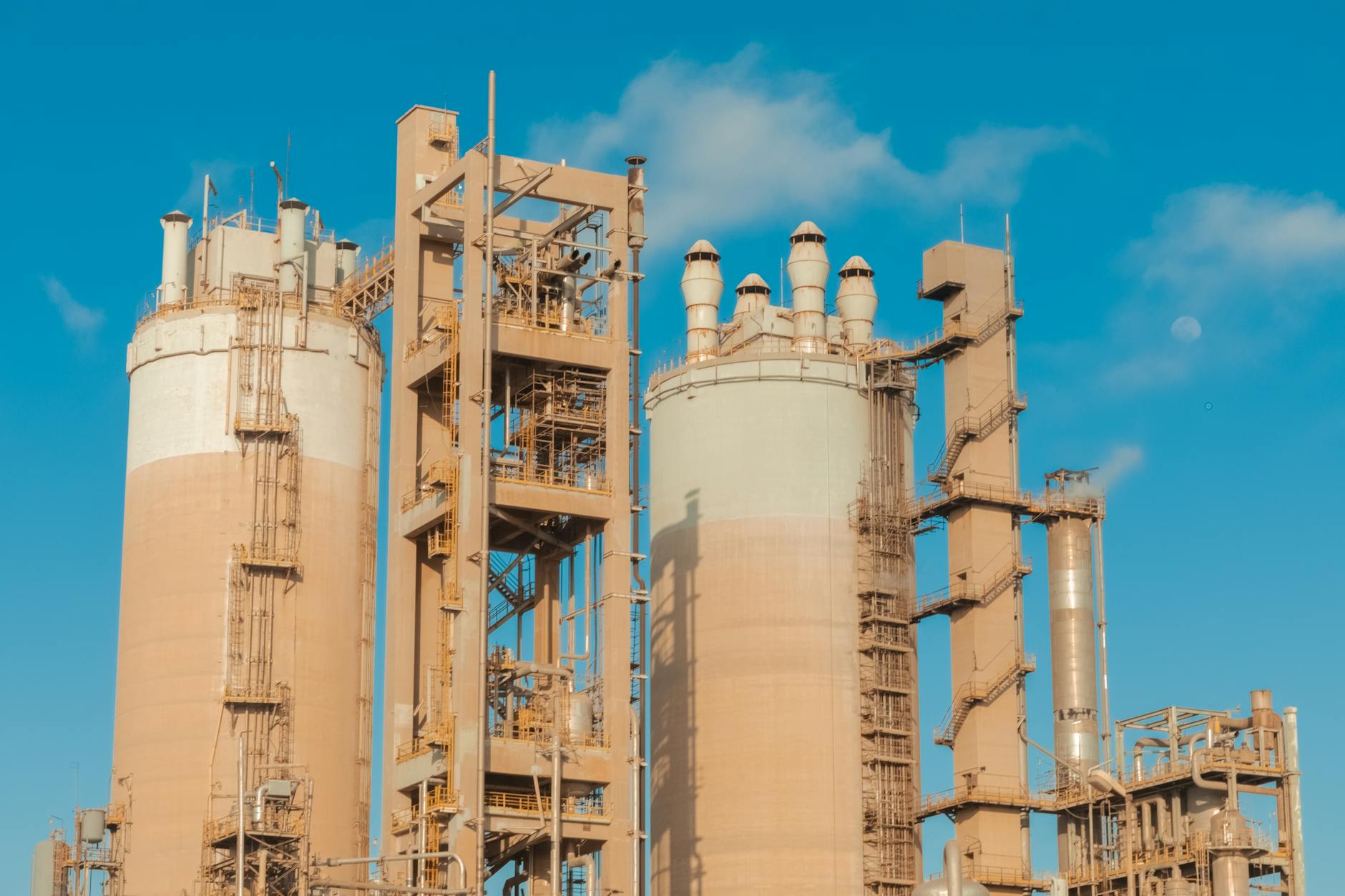
Moberly Power Plant Asbestos Exposure — How Missouri Victims Can Pursue Compensation
A Legal Guide for Former Employees, Contractors, and Families Facing Mesothelioma or Asbestosis
Source note: Products, equipment, and companies identified in this article are drawn from public asbestos litigation records, court filings, EPA and OSHA regulatory databases, and publicly available industry records. Product identifications and company references reflect what has been alleged or documented in publicly filed litigation. This article does not constitute a finding of liability against any company.
⚠️ CRITICAL DEADLINE WARNING FOR MISSOURI ASBESTOS VICTIMS
Missouri law gives you 5 years from your mesothelioma or asbestosis diagnosis date to file a lawsuit — not from when exposure occurred, but from confirmed diagnosis. Under Missouri § 516.120, this is the current filing deadline. Miss it by even one day and your right to compensation is permanently extinguished. No exceptions. No extensions. No second chances.
HB 1664 (2026) could cut that window in half — right now. This Missouri bill passed the House on March 12, 2026 and is currently pending in the Senate. If signed, Missouri’s asbestos statute of limitations drops from 5 years to 2 — eliminating more than half the time currently available to victims and families. It could be signed at any time.
Even with 5 years on the clock, waiting destroys cases. Witnesses in their 70s and 80s die before depositions can be taken. Employment records disappear when plants close. Building a mesothelioma case means identifying dozens of manufacturers across multiple jobsites — work that takes months. Claims against more than 60 asbestos bankruptcy trusts each require separate filings with their own internal deadlines.
Call a Missouri mesothelioma attorney today. Not next month. Today.
If you worked at the Moberly Power Plant and you’ve just been diagnosed with mesothelioma, asbestosis, or pleural disease — that diagnosis has a cause. Workers at this plant spent careers maintaining boilers, fitting pipe, wiring electrical systems, and keeping a 60.6-megawatt facility running, often without knowing that the pipe insulation, ceiling tiles, and talc-based products surrounding them daily contained asbestos. Johns-Manville, Owens Corning, Owens-Illinois, Garlock Sealing Technologies, and Armstrong World Industries knew what was in those products. The diagnosis you just received is the direct result of that exposure.
Your legal rights exist right now — but they carry a hard expiration date.
An experienced Missouri mesothelioma lawyer can identify every manufacturer that may be a defendant, file claims against applicable asbestos bankruptcy trusts, and protect your rights before that deadline closes permanently. This guide explains who was exposed, which companies are legally responsible, and what former Moberly workers need to do right now.
What Was Moberly Power Plant and Who Operated It
The Moberly Power Plant sits in Randolph County, Missouri. It ran on distillate fuel oil and generated 60.6 megawatts of power for central Missouri communities, as confirmed by the Energy Information Administration.
Union Electric Co. owned and operated the facility, controlling day-to-day plant operations, maintenance schedules, and all contractor work on site. Union Electric later folded into the corporate structure now known as Ameren Corporation, with successor entities including Ameren Energy Generating Co. These companies inherited both the assets and the liabilities of the original operator — meaning workers pursuing asbestos claims today can reach the current corporate structure.
Workers at comparable Ameren UE facilities — the Labadie Energy Center in Franklin County, the Portage des Sioux Power Plant in St. Charles County, and Rush Island Energy Center in Jefferson County — faced nearly identical product exposures during the same era. Litigation records from those sites bear directly on claims arising from Moberly.
The industrial corridor running along both sides of the Mississippi River — from St. Louis north through Alton, Wood River, Granite City, and Portage des Sioux on the Illinois side, and through St. Charles County, Jefferson County, and points west on the Missouri side — was saturated with the same asbestos-containing products during the same decades. Workers frequently crossed state lines during their careers, and exposures documented at Granite City Steel, Monsanto Chemical in Sauget, and the Shell Oil Roxana Refinery in Wood River directly inform the exposure picture at Moberly.
Generating Units — Official EIA Form 860 Record
The following unit-level data is drawn from the U.S. Energy Information Administration (EIA) Form EIA-860 Annual Electric Generator Report — the official federal registry of every U.S. power generating unit.
| Unit | Online Date | Nameplate Capacity | Prime Mover | Fuel Type | Status |
|---|---|---|---|---|---|
| Unit 1 | August 1978 | 60.6 MW | Gas Turbine | Distillate Fuel Oil | Operating |
Total nameplate capacity: 60.6 MW (EIA-verified)
Source: U.S. Energy Information Administration, Form EIA-860 Annual Electric Generator Report, EIA Plant Code: 6651
Alleged Equipment Manufacturers
Unit 1 (60.6 MW, online August 1978) is alleged, based on North American powerhouse database records, to have been a General Electric Frame 7 series gas turbine-generator (model 7001BPPP). The GE Frame 7B — producing approximately 60 to 65 megawatts at ISO conditions — was the dominant large industrial gas turbine supplied to U.S. utilities in the late 1970s. As a simple-cycle gas turbine installation, Unit 1 does not operate with a separate steam boiler. Asbestos exposure at this facility arose primarily through insulation applied to turbine exhaust systems, fuel oil process piping, and auxiliary equipment — materials consistent with those identified in litigation records at comparable AmerenUE Missouri simple-cycle peaking installations, including the Mexico Power Plant (also GE Frame 7B, 1978) and Meramec Energy Center Gas Turbine Unit 1 (GE Frame 7B, 1974).
Why Asbestos Was Used Throughout the Plant
Asbestos was used deliberately, at scale, because it was cheap and effective at controlling heat and fire. For a fuel oil power plant, heat management was not optional — it was the central operational challenge. Manufacturers and plant operators embedded asbestos across multiple product categories:
- Thermal insulation: Steam lines, boiler casings, turbines, and heat exchangers operated above 500°F. Owens-Illinois Kaylo block and pipe insulation, Johns-Manville Thermobestos, and Armstrong World Industries Aircell pipe covering were the materials of choice from roughly the 1930s through the late 1970s.
- Fire resistance: W.R. Grace Monokote sprayed fireproofing was applied to structural steel, walls, and equipment rooms throughout the facility. Combustion Engineering supplied refractory and castable materials used in boiler fireboxes during the same period.
- Gaskets and valve packing: High-pressure steam systems require tight seals. Garlock Sealing Technologies asbestos sheet gaskets and Cranite compressed gasket material, along with Crane Co. valve packing, were standard in boilers, pumps, and pipe flanges throughout the plant.
- Ceiling tiles: Armstrong World Industries asbestos-containing ceiling tiles were installed in control rooms, offices, and operational areas. Cutting, drilling, replacing, or simply aging Armstrong tiles released fibers into the breathing zone.
- Talc-based products: Industrial talc used at the plant was routinely contaminated with tremolite asbestos — one of the most toxic fiber types known. This contamination was not accidental. The industry knew about it for decades.
Who Was Exposed — and What They Breathed
Asbestos exposure at Moberly was not limited to one job classification. Multiple trades worked alongside asbestos-containing materials daily, most without any respiratory protection.
Insulators
No trade carried a heavier asbestos burden. Insulators mixed Johns-Manville asbestos cement powder by hand, cut Owens-Illinois Kaylo block insulation with handsaws, and applied or stripped Armstrong World Industries Aircell pipe covering and Johns-Manville Thermobestos blanket insulation throughout the plant. They worked directly with raw asbestos-containing products for entire careers.
Many insulators who worked at Missouri power plants in the 1950s, 1960s, and 1970s held cards with Heat and Frost Insulators Local 1 out of St. Louis — the union local that dispatched insulation workers to power facilities across eastern Missouri, including Moberly, the Labadie Energy Center, Portage des Sioux, and the Sioux Energy Center. Those men are now in their 70s and 80s. Many are receiving mesothelioma diagnoses today, 20 to 50 years after first exposure.
These witnesses are irreplaceable — and they are dying. Every month of delay increases the risk that people who can testify to what you breathed will no longer be available to do so. Heat and Frost Insulators Local 1 members also worked the Illinois side of the Mississippi River industrial corridor — at Granite City Steel, Monsanto Chemical in Sauget, and the Shell Oil Roxana Refinery in Wood River — during the same period, using the same products under the same conditions.
If you are a retired insulator with a mesothelioma or asbestosis diagnosis, calling a Missouri asbestos attorney immediately is not optional — it is urgent.
Pipefitters and Steamfitters
Pipefitters installed and maintained high-pressure steam and fuel oil piping throughout the facility. Many Moberly pipefitters held cards with Plumbers and Pipefitters UA Local 562 out of St. Louis — the same local that dispatched members to Monsanto Chemical in Sauget, the Shell Oil Roxana Refinery in Wood River, and Granite City Steel in Granite City.
Every cut into a line insulated with Owens-Illinois Kaylo or Johns-Manville Thermobestos, every Garlock Cranite gasket replacement, every Crane Co. valve repair released asbestos fibers. Pipefitters also repacked valve stems by hand using Eagle-Picher Superex asbestos rope packing — removing old material and pressing new packing into place directly with their fingers.
UA Local 562 members routinely worked on both sides of the Mississippi River throughout their careers, and exposure records from Illinois job sites are admissible in Missouri asbestos litigation to establish cumulative exposure history.
Your 5-year clock under Missouri § 516.120 is running from the date of your diagnosis — and The time to act is now.
Boilermakers
Boilermakers built, maintained, and repaired the plant’s boilers — the operational core of any fossil fuel facility. Boiler work meant confined spaces, intense heat, and constant contact with Combustion Engineering refractory castables, Johns-Manville insulating cement, and Owens-Illinois Kaylo block insulation. Working inside boiler fireboxes during outages disturbed decades of accumulated asbestos-containing material. Confined space conditions produced extraordinarily high airborne fiber concentrations — among the worst sustained exposures documented in industrial asbestos litigation.
Many Moberly boilermakers held cards with Boilermakers Local 27 out of St. Louis, the local that dispatched members to Labadie, Rush Island, Portage des Sioux, and comparable facilities throughout the region. If you are a retired boilermaker with a mesothelioma or lung cancer diagnosis, the exposure history from those other job sites can be used to build your claim at Moberly.
Electricians
Electrical workers at Moberly were exposed through direct contact with asbestos-containing electrical insulation — arc chutes, switchgear components, and panel insulation manufactured by companies including Square D and Westinghouse Electric. Electricians also worked in
Litigation Landscape
Coal-fired and gas-fired power plants like Moberly generated extensive asbestos litigation because thermal insulation, pipe wrapping, gaskets, and boiler components were heavily contaminated with asbestos-containing products. Documented defendants in asbestos cases arising from power plant exposure include major manufacturers: Johns-Manville, Combustion Engineering, Babcock & Wilcox, Crane Co., Armstrong, Garlock, W.R. Grace, and Eagle-Picher. These companies supplied insulation materials, valve packing, joint compounds, and boiler seals widely used in mid-20th-century power generation facilities.
Workers and contractors exposed at Moberly may pursue claims through multiple asbestos bankruptcy trusts established by these manufacturers following their Chapter 11 filings. The Johns-Manville Settlement Trust, Combustion Engineering Settlement Trust, Babcock & Wilcox Trust, Crane Co. Asbestos Settlement Trust, Armstrong Settlement Trust, Garlock Sealing Technologies Trust, and Eagle-Picher Industries Trust represent accessible compensation sources. Each trust maintains distinct claim procedures, eligibility criteria, and documented payment histories for occupational asbestos exposure.
Publicly filed litigation arising from power plant asbestos exposure demonstrates consistent patterns: operators, maintenance workers, insulators, boilermakers, and equipment installers developed mesothelioma and lung cancer following inhalation of asbestos dust during equipment repair, insulation removal, and routine maintenance. Power plant workers face elevated exposure risk because asbestos products often deteriorated over decades, releasing fibers during normal facility operations and renovation work.
If you worked at Moberly Power Plant and developed mesothelioma, lung cancer, or asbestosis, contact an experienced Missouri asbestos attorney immediately. Trust claims and litigation may both be available, and statutes of limitations apply. The O’Brien Law Firm and other documented asbestos counsel can evaluate your exposure history and eligible compensation sources.
Missouri DNR Asbestos Notification Records
The following 1 project notification(s) are documented with the Missouri Department of Natural Resources (NESHAP program) for State of Missouri in Moberly. These are public regulatory records.
| Project ID | Year | Site / Building | Operation | ACM Removed | Contractor |
|---|---|---|---|---|---|
| 1087-97 | 1997 | Moberly Correctional Ctr, Power Plant | Renovation | 395 sq. ft. TSI storage tank 8(A), 20 ln. ft. TSI pipe 8(I) | Mid-America Environmental & Abatement Inc. |
Source: Missouri Department of Natural Resources, NESHAP Asbestos Abatement & Demolition/Renovation Notification Program — public regulatory records.
Recent News & Developments
No facility-specific news articles, regulatory enforcement actions, or litigation records involving the Moberly Power Plant in Moberly, Missouri appear in currently available public records or scraped sources at the time of this writing. However, the absence of documented incidents in publicly accessible databases does not indicate an absence of asbestos-related risk, and the regulatory framework governing facilities of this type remains actively enforced.
Regulatory Landscape for Similar Facilities
Coal-fired and municipal power generation facilities operating during the mid-to-late twentieth century are subject to ongoing federal oversight concerning asbestos-containing materials (ACMs). The EPA’s National Emission Standards for Hazardous Air Pollutants (NESHAP), codified at 40 CFR Part 61, Subpart M, mandates thorough asbestos inspections, proper notification, and licensed abatement procedures before any demolition or renovation activity disturbs ACMs. Any future decommissioning, structural renovation, or equipment removal at the Moberly Power Plant would trigger these notification and work-practice requirements under NESHAP regulations.
OSHA’s construction standard at 29 CFR 1926.1101 and the general industry standard at 29 CFR 1910.1001 apply to contractors, maintenance workers, and tradespeople who encounter ACMs during repair, insulation, or renovation work at power generation facilities. Workers involved in boiler maintenance, pipe insulation removal, turbine work, or electrical system upgrades have historically faced elevated asbestos fiber exposure at plants of comparable age and construction.
Product Identification Context
Power plants constructed or substantially renovated prior to the 1980s routinely incorporated asbestos-containing products from manufacturers such as Johns-Manville, Owens-Illinois, Combustion Engineering, Babcock & Wilcox, Armstrong World Industries, and W.R. Grace. These materials appeared commonly in boiler block insulation, high-temperature pipe lagging, turbine packing, valve gaskets, refractory cements, and floor and ceiling tiles. Workers at facilities like the Moberly Power Plant — particularly boilermakers, pipefitters, electricians, and insulation workers — may have encountered these products from multiple manufacturers during the course of routine maintenance and repair operations.
Ongoing Monitoring
Members of the public, former employees, and legal professionals seeking updated regulatory filings or enforcement activity related to the Moberly Power Plant may consult the EPA’s Enforcement and Compliance History Online (ECHO) database, Missouri Department of Natural Resources (MDNR) public records, and OSHA inspection logs, all of which are accessible through official agency portals.
Workers or former employees of Moberly Power Plant Moberly Missouri who were diagnosed with mesothelioma, lung cancer, or asbestosis may have legal rights under Missouri law. Missouri § 537.046 extends the civil filing window for occupational disease claims.
For informational purposes only. Not legal advice. No attorney-client relationship is created by reading this page. © 2026 Rights Watch Media Group LLC — Disclaimer · Privacy · Terms · Copyright