Mesothelioma Lawyer Missouri: Filing an Asbestos Claim Before Your Deadline
A mesothelioma diagnosis changes everything — and it starts a clock. Missouri law gives you five years from your diagnosis date to file an asbestos lawsuit under § 516.120 RSMo. Miss that window and you lose the right to sue, permanently. An experienced mesothelioma lawyer in Missouri can tell you exactly where you stand and get your case moving before that deadline arrives.
Missouri’s 5-Year Filing Deadline: What You Need to Know
Five years sounds like plenty of time. It isn’t.
Evidence disappears. Former coworkers die or become impossible to locate. Company records get lost in corporate mergers and bankruptcies. The asbestos manufacturers who exposed you have spent decades preparing to fight these claims — and every month you wait, their position gets stronger and yours gets weaker.
Under § 516.120 RSMo, Missouri’s statute of limitations for asbestos-related lawsuits runs five years from the date of diagnosis. That date is not negotiable. Your attorney can determine precisely when your clock started and ensure every filing deadline is met — but only if you act now.
Where to File: Missouri Courts and Illinois Venues
St. Louis City Circuit Court
St. Louis City Circuit Court handles a significant volume of asbestos litigation. Its judges are experienced with toxic tort matters, and the court’s proximity to the region’s historic industrial sites makes it a natural venue for claims involving Missouri workplace exposure.
Madison County and St. Clair County, Illinois
For Missouri residents who may have been exposed to asbestos at cross-border facilities, Madison County and St. Clair County, Illinois have long been recognized as plaintiff-favorable jurisdictions with deep asbestos litigation experience. When your exposure history crosses state lines, an experienced asbestos attorney can evaluate whether an Illinois venue gives your case a stronger footing.
The Mississippi River Industrial Corridor
The industrial corridor stretching along the Mississippi River — including facilities such as Granite City Steel in Illinois and Monsanto in Missouri — represents one of the most heavily documented regions of historical asbestos exposure in the Midwest. Workers at these manufacturing and chemical production sites are alleged to have encountered asbestos regularly in insulation, gaskets, pipe coverings, and protective equipment. Your exposure history in this corridor may support claims in both states.
Two Compensation Pathways: Litigation and Trust Funds
Missouri residents pursuing asbestos claims are not limited to filing a single lawsuit. Most clients pursue two tracks simultaneously.
Active litigation targets manufacturers, employers, and other parties who may be liable for your exposure. Asbestos bankruptcy trust fund claims provide compensation from funds established when asbestos companies went bankrupt — over $30 billion has been set aside in these trusts specifically for victims like you. Filing trust claims does not prevent you from suing solvent defendants, and coordinating the two tracks strategically often produces substantially higher total recoveries than either avenue alone.
Your attorney can identify which trusts apply to your exposure history, manage the filing timelines, and integrate trust recoveries into your overall case strategy.
Who Is Most at Risk: High-Exposure Occupations in Missouri
Certain workers faced substantially elevated asbestos exposure risk and may have been exposed to asbestos over years or decades on the job:
- Insulators and boilermakers — Members of Heat and Frost Insulators Local 1 and Boilermakers Local 27 are alleged to have worked directly with asbestos-containing insulation at power plants, refineries, and steel mills throughout the region
- Industrial maintenance workers — Employees at facilities such as Bonne Terre Lead Mine reportedly encountered asbestos in aging equipment and infrastructure during routine maintenance
- Union pipefitters and plumbers — Members of UA Local 562 and similar trades were frequently assigned to job sites where asbestos insulation was present on piping systems and boilers
- Manufacturing plant workers — Employees at Granite City Steel and comparable facilities may have been exposed to asbestos in multiple contexts, from raw materials to finished products
If your work history includes any of these occupations or facilities, your window to act is open — but it is not unlimited.
What to Do Right Now
Pull Your Records
Start gathering documentation immediately:
- Complete employment history with dates, employers, and job titles
- Union membership records and local numbers
- Medical records confirming your diagnosis and treatment
- Any photos, safety data sheets, or other documentation of your work environments
Get Specialized Legal Representation
Asbestos litigation is not standard personal injury law. It involves multiple defendants, complex product identification, multi-state jurisdiction questions, and dozens of active bankruptcy trusts — each with its own claims procedures and deadlines. An attorney who handles asbestos cases alongside car accidents and slip-and-falls is not the same as one who has spent their career in this litigation. The difference in outcome can be measured in hundreds of thousands of dollars.
Your mesothelioma lawyer in Missouri should be able to:
- Identify every potentially liable manufacturer, contractor, and employer in your exposure history
- Determine the optimal venue for your lawsuit
- File coordinated trust claims without disrupting your active litigation
Pursue Every Available Compensation Source
Work with your attorney to pursue all applicable avenues:
- Direct lawsuits against manufacturers and responsible employers
- Asbestos bankruptcy trust fund claims
- Workers’ compensation benefits where applicable
- Union health and welfare programs
No single pathway should be evaluated in isolation. The total picture matters.
The Bottom Line
Missouri’s five-year statute of limitations under § 516.120 RSMo is an absolute cutoff. Pending legislation could make the path forward harder for future claimants. The manufacturers who exposed workers to asbestos have been defending these cases for decades and they are not waiting for you to get ready.
If you or a family member has been diagnosed with mesothelioma or another asbestos-related disease following workplace exposure — in Missouri, at cross-border facilities, or anywhere in the industrial corridor — call an experienced asbestos attorney in Missouri today. Past results vary and cannot guarantee future outcomes, but one thing is certain: clients who wait too long have no options left.
Your five-year deadline under Missouri law is running right now — call an experienced mesothelioma lawyer today and find out exactly how much time you have left.
Litigation Landscape
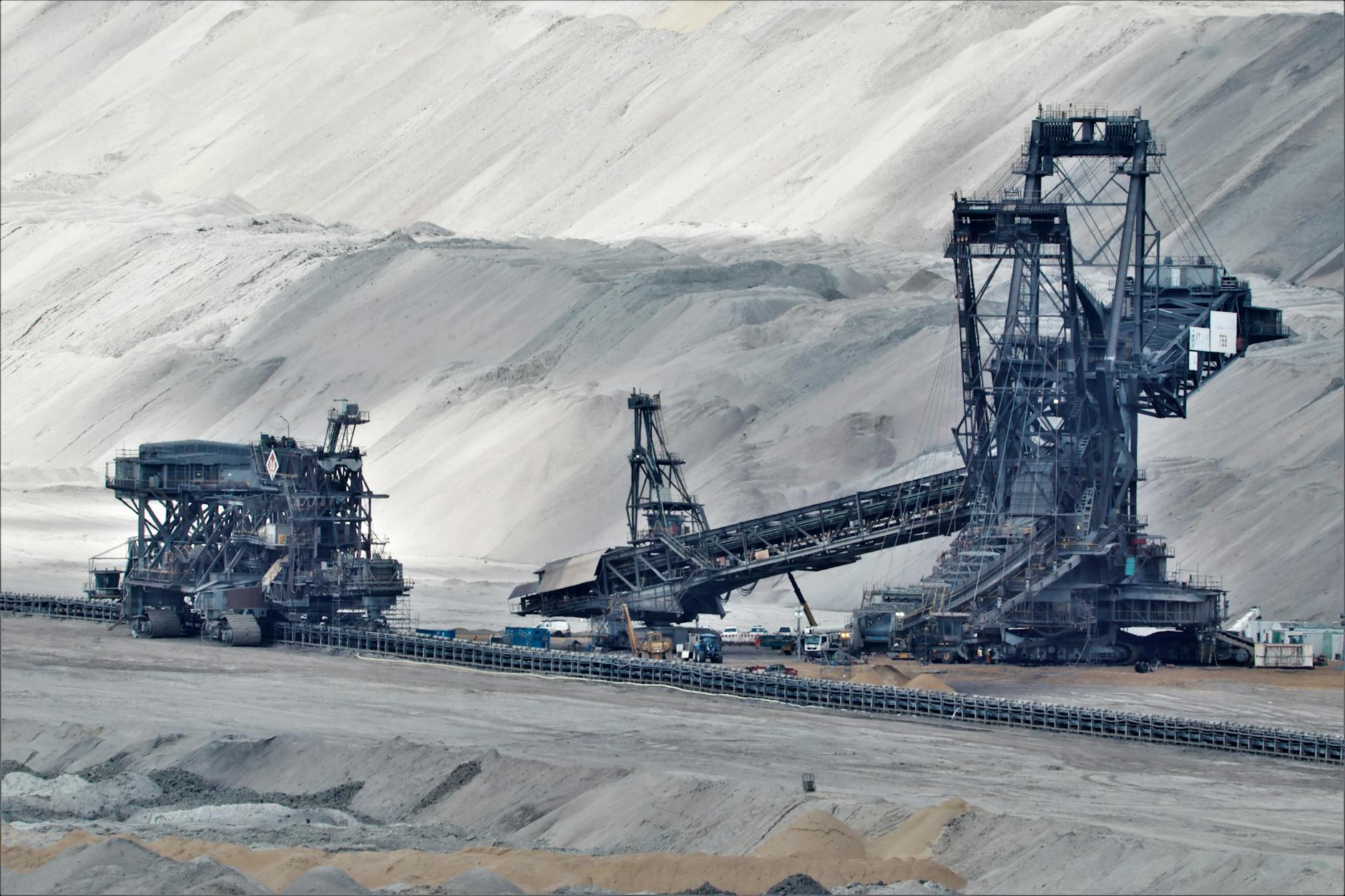
Industrial mining and processing facilities like St. Joe Minerals Corporation’s Bonne Terre operation employed asbestos-containing insulation, gaskets, and pipe coverings extensively during the mid-to-late twentieth century. Litigation arising from worker exposure at similar facilities has identified several key asbestos manufacturers as defendants, including Johns-Manville, Combustion Engineering, Crane Co., Babcock & Wilcox, W.R. Grace, and Eagle-Picher. These companies supplied thermal insulation, boiler components, and insulation jackets commonly used in mining and metallurgical operations.
Workers and their families have pursued claims through both traditional litigation and asbestos bankruptcy trust funds established by liable manufacturers. The Johns-Manville Trust, Combustion Engineering Trust, Crane Co. Trust, Babcock & Wilcox Trust, and Eagle-Picher Trust remain among the most relevant to claims arising from industrial facility exposure of this era. These trusts were created following corporate bankruptcies to provide compensation to claimants without protracted litigation.
Publicly filed litigation documents demonstrate that claims arising from asbestos exposure at industrial mining and processing facilities have been pursued in Missouri state courts and federal venues, with workers alleging mesothelioma, lung cancer, and asbestosis resulting from occupational exposure to insulation products and other asbestos-containing materials at their workplaces.
Individuals who worked at the St. Joe Minerals facility and developed asbestos-related disease should consult with an experienced Missouri asbestos attorney to evaluate potential claims against responsible manufacturers and access to available trust compensation.
Recent News & Developments
No recent facility-specific news articles, OSHA citations, or EPA enforcement actions appear in current public records expressly naming the St. Joe Minerals Corporation Bonne Terre Lead Mine in connection with asbestos abatement, regulatory violations, or environmental cleanup proceedings. The absence of indexed public records for this specific site does not diminish the documented historical use of asbestos-containing insulation materials throughout the lead mining and ore processing industry during the mid-twentieth century, nor does it preclude individual workers from pursuing legal remedies.
Operational History and Exposure Context
The Bonne Terre Mine operated as one of the oldest and most significant lead mining operations in Missouri, with St. Joe Minerals Corporation serving as a major operator through much of the twentieth century. Underground mining environments, boiler houses, compressor stations, and ore processing facilities at sites of this type routinely incorporated pipe insulation, boiler lagging, pump packing, and gasket materials manufactured by companies including Johns-Manville, Owens-Corning, Armstrong World Industries, W.R. Grace, and Combustion Engineering. These product lines have been extensively documented in asbestos litigation across the United States as primary sources of occupational fiber exposure for miners, mechanics, pipefitters, and maintenance personnel.
Regulatory Landscape for Similar Facilities
Facilities of this class are subject to the National Emission Standards for Hazardous Air Pollutants under 40 CFR Part 61, Subpart M, which governs asbestos disturbance during demolition and renovation operations. OSHA’s construction asbestos standard at 29 CFR 1926.1101 and the general industry standard at 29 CFR 1910.1001 establish permissible exposure limits and required engineering controls applicable to maintenance and abatement work at legacy mining infrastructure. Any decommissioning, structural demolition, or significant renovation of remaining surface structures at the Bonne Terre site would trigger mandatory NESHAP notifications to the Missouri Department of Natural Resources and the EPA Region 7 office in Kansas City.
Demolition and Decommissioning Considerations
The Bonne Terre Mine’s surface facilities, including headframes, machine shops, and processing buildings, represent the type of aging industrial infrastructure where disturbed asbestos-containing materials pose an ongoing concern during any conversion, stabilization, or demolition activity. The site has attracted tourism and recreational development in recent decades, which may have involved renovation work subject to applicable asbestos inspection and abatement requirements under Missouri DNR oversight.
Litigation Context
St. Joe Minerals Corporation has been named as a defendant in asbestos personal injury litigation in Missouri and other jurisdictions, with claims arising from multiple former operational sites. Former workers, contractors, and trades personnel who performed insulation, repair, or mechanical work at the Bonne Terre facility have been among those represented in asbestos occupational disease proceedings.
Workers or former employees of St. Joe Minerals Corporation Bonne Terre Lead Mine Missouri asbestos insulation who were diagnosed with mesothelioma, lung cancer, or asbestosis may have legal rights under Missouri law. Missouri § 537.046 extends the civil filing window for occupational disease claims.
For informational purposes only. Not legal advice. No attorney-client relationship is created by reading this page. © 2026 Rights Watch Media Group LLC — Disclaimer · Privacy · Terms · Copyright