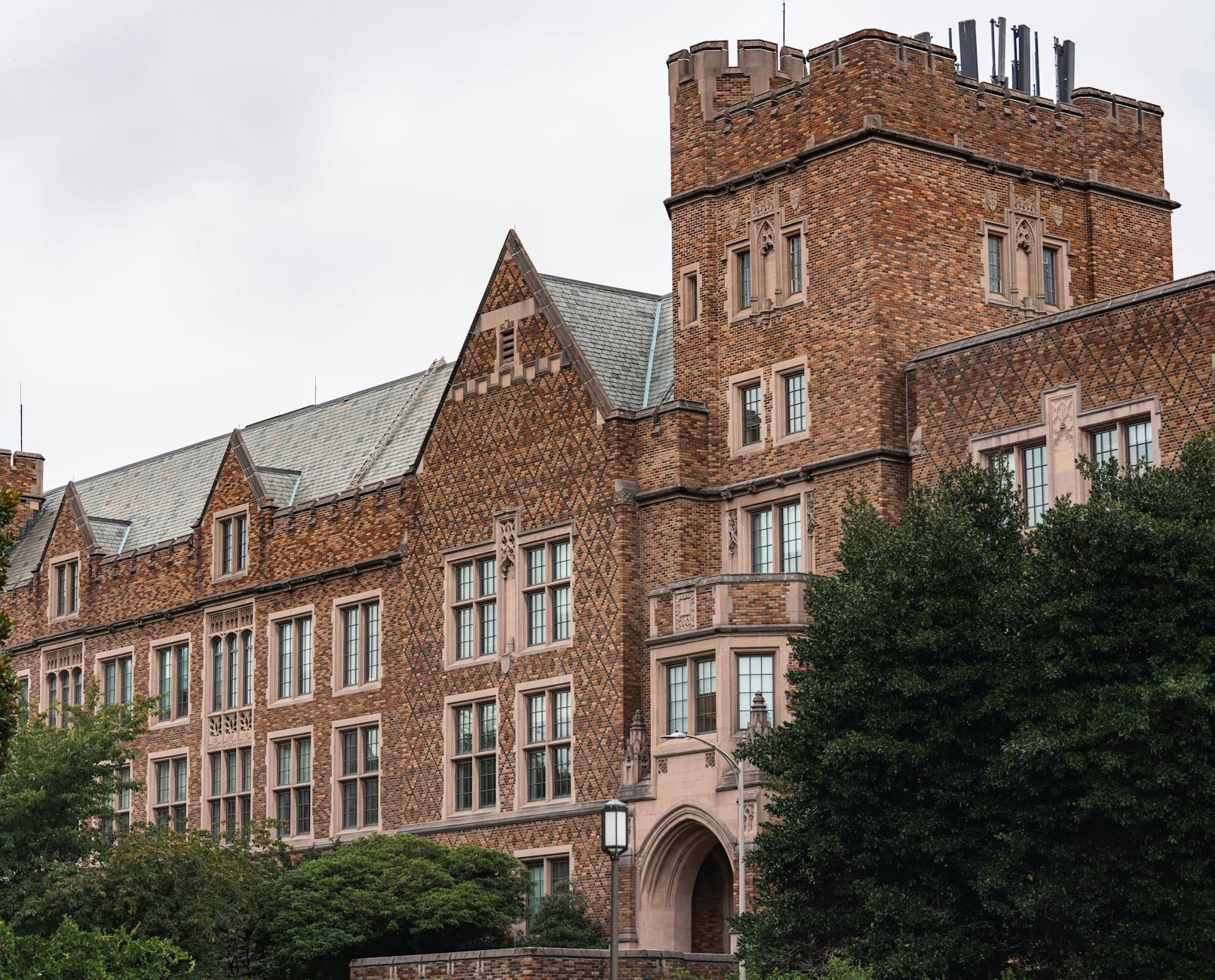
Mesothelioma Lawyer Missouri: Legal Rights for University of Missouri-Columbia Hospital Workers
The Deadline Is Real: Missouri’s asbestos statute of limitations Has Permanently Changed Your Window to File
Missouri’s Missouri’s asbestos statute of limitations cut the statute of limitations for asbestos claims. If you were diagnosed after April 2023, you may have months — not years — to file. Miss this deadline and your claim is gone. No exceptions. The clock runs from your diagnosis date, not your last day of exposure. Call now.
If You Worked at MU-Columbia Hospital and You’ve Been Diagnosed
You worked in the boiler rooms. The mechanical spaces. The utility tunnels. You spent a career keeping that hospital running, and now you have a diagnosis — mesothelioma, asbestosis, pleural plaques, lung cancer — and you want to know what happened and what you can do about it.
This article gives you straight answers.
Part One: The Facility and Its History
University of Missouri-Columbia Hospital: Decades of Asbestos Infrastructure
The University of Missouri Hospital began as a small teaching facility in the early twentieth century and grew into the sprawling complex now operating as MU Health Care. That growth required something most people never think about: an enormous, continuously operating mechanical infrastructure — miles of insulated pipe, central boiler plants, and steam distribution systems running through basements, utility tunnels, ceiling plenums, and mechanical rooms across the campus.
That infrastructure was built, maintained, repaired, and renovated almost exclusively with asbestos-containing materials for roughly five decades.
Construction and Expansion Timeline
1940s–1950s: Initial boiler plant and steam distribution infrastructure installed with Johns-Manville Kaylo pipe insulation and Thermobestos block insulation on boiler shells.
1960s: Major expansion added steam lines, heat exchangers, and ventilation systems with Owens-Corning Fiberglas asbestos products and Armstrong World Industries asbestos floor tile.
1970s: Renovation work brought Celotex asbestos insulation, W.R. Grace Monokote fireproofing spray on structural steel, and Combustion Engineering boiler components with integral asbestos insulation.
Each expansion added new systems. Each renovation of older sections disturbed previously installed asbestos — creating secondary exposures for workers who never touched the original installation.
The University of Missouri’s physical plant department employed pipefitters, boilermakers, plumbers, and maintenance staff who worked these systems every day for careers spanning twenty to thirty years. Many were affiliated with Heat and Frost Insulators Local 1 and Plumbers and Pipefitters UA Local 562 out of St. Louis.
Part Two: Why Asbestos Was Used — and Why It Killed People
The Engineering Reality
Hospital steam systems run at sustained high temperatures and pressures. Boilers at a facility the size of MU-Columbia operated at steam pressures from 15 psi in low-pressure heating circuits to over 100 psi in high-pressure lines serving sterilization autoclaves. Pipe surface temperatures exceeded 300 to 400 degrees Fahrenheit.
Before the 1970s, the only commercially available insulating materials that could withstand those temperatures without failing were asbestos-based. The manufacturers knew this. They also knew, decades earlier than they admitted publicly, that their products were killing workers.
Asbestos Products Installed at MU-Columbia Hospital
Pipe Insulation
Pre-formed pipe insulation sections — called “mag” insulation — were manufactured with asbestos content ranging from 15 to 85 percent. Rigid sections fit around steam pipes, were secured with wire, then wrapped in canvas jackets pasted with asbestos-containing adhesive.
Manufacturers whose products were installed throughout Missouri institutional facilities:
- Johns-Manville Corporation — Unibestos, Kaylo (distributed)
- Owens-Corning Fiberglas Corporation — Kaylo
- Armstrong World Industries
- Celotex Corporation
- Philip Carey Manufacturing
- Keasbey & Mattison
- Fibreboard Corporation
- Eagle-Picher Industries
Boiler Block Insulation and Cement
Workers mixed dry asbestos cement powder with water, then troweled it directly onto hot boiler surfaces. That mixing process released enormous quantities of fiber into the air of enclosed boiler rooms with inadequate ventilation.
Manufacturers:
- Johns-Manville boiler cement and block
- Carey Corporation
- Eagle-Picher Industries
- Garlock Sealing Technologies
- National Gypsum Company
- Combustion Engineering
Gaskets and Valve Packing
Gaskets at flange connections, valve stems, pump shafts, and heat exchanger heads were manufactured from compressed asbestos fiber board. Workers who cut these gaskets to size — or pulled old ones during routine maintenance — released asbestos fibers directly into their breathing zone.
Manufacturers:
- Garlock Sealing Technologies
- Flexitallic Gasket Company
- Crane Co.
- A.W. Chesterton Company
Fireproofing Spray
Structural steel in buildings constructed through the late 1960s was fireproofed with sprayed asbestos. Any overhead work — drilling, hanging pipe hangers, running conduit above ceilings — disturbed that material and pushed fibers into occupied spaces.
Primary product: W.R. Grace Monokote, the dominant spray fireproofing product of that era.
Floor and Ceiling Tile, Joint Compound
Armstrong World Industries asbestos floor tile and Congoleum tile covered hospital corridors and utility spaces. United States Gypsum’s Sheetrock and Durabond joint compound contained asbestos through 1977. Maintenance workers who cut, replaced, or sanded these materials breathed the fibers.
Part Three: Which Trades Were Exposed and How
Pipefitters and Plumbers
Pipefitters working in mechanical spaces and tunnels absorbed some of the heaviest exposures in the facility. Their daily work required them to:
Cut existing asbestos pipe insulation — Johns-Manville Unibestos, Owens-Corning Kaylo, Thermobestos — to reach pipe sections for repair or replacement. Cutting through asbestos insulation with a handsaw in a poorly ventilated boiler room created a fiber cloud that hung in the air for hours.
Strip deteriorated insulation from valves and fittings. Scrapers broke down friable Kaylo, Thermobestos, and Aircell insulation that crumbled on contact — the most dangerous condition asbestos can be in.
Work alongside insulators simultaneously applying new asbestos insulation to nearby pipe sections. This bystander exposure is among the most legally significant facts in asbestos litigation. You did not have to handle asbestos yourself to receive a lethal dose. Standing in the same room was enough.
Pull and replace asbestos gaskets from Garlock and Crane Co. valve connections, releasing compressed asbestos fiber board fragments with every repair.
Boilermakers
Boilermakers performing annual boiler inspections, tube replacements, and refractory repairs worked in direct contact with asbestos block insulation and cement on boiler shells. Removing worn insulation to reach internal components was standard work. So was mixing new asbestos cement to re-insulate after repairs — a process that generated heavier exposures, gram for gram, than almost any other task in an industrial setting.
Insulators
Insulators handled asbestos insulation products directly throughout their careers. They cut Kaylo sections, shaped Thermobestos block, mixed and applied asbestos cement, and wove asbestos rope around fittings. Heat and Frost Insulators Local 1 members who worked MU-Columbia Hospital and the broader Columbia campus carried some of the highest documented fiber burdens of any trade group. The latency period — typically twenty to fifty years between exposure and diagnosis — means insulators who retired in the 1970s and 1980s are receiving diagnoses today.
Maintenance Electricians and HVAC Workers
Electricians drilling through fireproofed decks and ceilings, HVAC technicians cutting through asbestos-insulated ductwork, and general maintenance workers replacing asbestos floor tile received significant exposures — often without understanding what they were breathing. These workers are frequently overlooked in asbestos litigation. They shouldn’t be.
Hospital Maintenance Staff
Custodians and facilities staff who cleaned boiler rooms, swept utility tunnels, or worked near renovation activity breathed disturbed asbestos fibers. Ambient fiber levels in hospital boiler rooms during active work routinely exceeded levels now recognized as dangerous by orders of magnitude.
Part Four: The Diseases — What You Need to Know
Mesothelioma
Malignant pleural mesothelioma is caused by asbestos exposure. There is no other established cause. The latency period is typically thirty to fifty years. By the time symptoms appear — chest pain, shortness of breath, pleural effusion — the disease is usually advanced. Median survival after diagnosis has historically been poor, though newer immunotherapy combinations are extending survival for some patients.
Because mesothelioma has only one cause, the legal causation argument is straightforward. If you have mesothelioma and you worked around asbestos, the exposure caused the disease. The legal fight is about which manufacturers and premises owners bear responsibility and to what degree.
Lung Cancer
Asbestos-related lung cancer is harder to litigate than mesothelioma because lung cancer has multiple causes, and defendants will argue smoking history aggressively. But asbestos exposure is an independent and well-documented cause of lung cancer — and when asbestos exposure combines with cigarette smoking, the risk multiplies, it does not simply add. Workers who smoked and were also heavily exposed to asbestos have dramatically elevated lung cancer risk attributable to both factors.
A strong asbestos lung cancer case requires documentation of significant occupational exposure and a medical expert who can opine on causation. These cases are winnable. They require experienced counsel.
Asbestosis
Asbestosis — diffuse pulmonary fibrosis caused by asbestos fiber accumulation in lung tissue — is a progressive, irreversible disease. It does not resolve. Many asbestosis patients ultimately develop mesothelioma or lung cancer. Even without malignancy, severe asbestosis is disabling and eventually fatal. Missouri law provides recovery for asbestosis, but Missouri’s asbestos statute of limitations has altered the procedural landscape significantly.
Pleural Plaques and Pleural Thickening
Pleural plaques are markers of asbestos exposure. They are not, by themselves, disabling — but their presence confirms exposure and may establish the basis for a claim if accompanied by functional impairment. Diffuse pleural thickening can restrict breathing and is compensable.
Part Five: Missouri’s asbestos statute of limitations — What Changed and Why It Matters for Your Claim
What Missouri’s asbestos statute of limitations Did
Missouri House Bill 68 made significant changes to asbestos litigation in Missouri, including modifications to the statute of limitations. For claims filed after the bill’s effective date, the window to file has been reduced.
under Missouri’s 5-year statute of limitations, if you were diagnosed with an asbestos-related disease after April 2023, you may have as little as two years from diagnosis to file your claim in Missouri.
This is not a soft deadline. Missing the statute of limitations is fatal to your claim. Courts do not extend it for hardship. Courts do not extend it because you did not know about it. Courts do not extend it because you were sick and could not act sooner — unless very narrow tolling provisions apply, which require a lawyer’s analysis of your specific facts.
What Missouri’s asbestos statute of limitations Did Not Change
Missouri’s asbestos statute of limitations did not eliminate asbestos claims. Workers and families who act promptly can still pursue:
- Premises liability claims against facility owners who failed to warn workers about asbestos hazards
- Product liability claims against manufacturers of asbestos-containing products
- Asbestos trust fund claims — over sixty manufacturer bankruptcy trusts hold billions of dollars specifically reserved for exposed workers, and these claims often proceed on a separate timeline from litigation
Trust Fund Claims
When major asbestos manufacturers — Johns-Manville, Eagle-Picher, Celotex, Owens Corning, Armstrong, W.R. Grace — went bankrupt under the weight of asbestos liability, federal bankruptcy courts required them to establish trust funds before reorganizing. Those trusts now hold and distribute compensation to qualifying claimants.
Trust fund claims are not lawsuits. They do not require filing in court. They require documentation of exposure to the manufacturer’s product and a qualifying diagnosis. For many clients, trust fund recoveries represent the bulk of total compensation.
**Missouri workers exposed to Johns-Manville, Kaylo,
Litigation Landscape
Hospital boiler room and pipe insulation work historically involved exposure to asbestos-containing products manufactured by several major companies. Combustion Engineering, Babcock & Wilcox, Crane Co., Johns-Manville, and Armstrong were frequent defendants in litigation involving institutional heating systems and insulation materials. These manufacturers supplied boiler components, pipe wrap, gaskets, and thermal insulation widely used in mid-twentieth-century hospital construction and maintenance.
Workers exposed at University of Missouri Columbia Hospital may have claims against multiple asbestos bankruptcy trust funds established by these manufacturers following their Chapter 11 filings. The Combustion Engineering Settlement Trust, Babcock & Wilcox Nuclear Operations Group Trust, Crane Co. Asbestos Settlement Trust, Johns-Manville Asbestos Settlement Trust, and Armstrong Asbestos Settlement Trust represent accessible compensation sources for workers who can document exposure. Trust claims do not require litigation and typically resolve more quickly than traditional lawsuits, making them an important avenue for eligible claimants.
Publicly filed litigation arising from asbestos exposure in hospital facilities has documented claims involving maintenance workers, engineers, and tradespeople who handled or were exposed to insulation, boiler materials, and pipe coverings. The pattern of liability in such cases reflects the products’ widespread use in institutional heating infrastructure during the period when asbestos hazards were known but inadequately disclosed.
Workers who spent time in boiler rooms, performed pipe maintenance, or handled insulation materials at this facility and have since developed mesothelioma, lung cancer, or asbestosis should consult an experienced Missouri asbestos attorney to evaluate their claims against responsible manufacturers and their trust funds.
Missouri DNR Asbestos Notification Records
The following 1 project notification(s) are documented with the Missouri Department of Natural Resources (NESHAP program) for Ameren Missouri in Columbia. These are public regulatory records.
| Project ID | Year | Site / Building | Operation | ACM Removed | Contractor |
|---|---|---|---|---|---|
| 6399-2014 | 2014 | Ameren Office Building | Demolition | - | Environmental Operations, Inc. |
Source: Missouri Department of Natural Resources, NESHAP Asbestos Abatement & Demolition/Renovation Notification Program — public regulatory records.
Recent News & Developments
No facility-specific incident reports, regulatory enforcement actions, or publicly documented asbestos abatement orders appear in current public records directly naming the University of Missouri Columbia Hospital in connection with its boiler room pipe insulation systems. However, the absence of indexed enforcement records does not indicate the absence of historical exposure risk, and the general regulatory and litigation landscape for comparable academic medical center facilities provides important context for former workers and patients.
Under EPA’s National Emission Standards for Hazardous Air Pollutants (NESHAP), codified at 40 CFR Part 61, Subpart M, any renovation or demolition activity at a facility of this type that disturbs regulated asbestos-containing materials (RACM) — including boiler pipe insulation, thermal system insulation, and boiler lagging — triggers mandatory notification and work practice requirements. The University of Missouri Health Care system, as a state-operated institution, remains subject to these federal requirements regardless of its public status. Missouri’s Department of Natural Resources (MDNR) serves as the authorized state-level enforcement body for asbestos NESHAP compliance and handles pre-demolition and pre-renovation notifications for facilities across Columbia and the broader mid-Missouri region.
OSHA’s Construction Standard at 29 CFR 1926.1101 similarly applies to any contractor or maintenance worker disturbing pipe insulation, boiler lagging, or associated mechanical system components at the hospital complex. Pipefitters, plumbers, stationary engineers, and boilermakers who performed maintenance in the hospital’s mechanical rooms during the 1950s through the 1980s faced the highest documented occupational exposure risks, as thermal system insulation on high-pressure steam lines during that era routinely incorporated chrysotile and amosite asbestos products manufactured by companies including Johns-Manville, Owens-Corning Fiberglas, Unarco Industries, and Armstrong World Industries, among others. Combustion Engineering and Babcock & Wilcox supplied boiler systems widely used in institutional settings during the same period, and their associated insulation products have been identified in asbestos litigation across Missouri.
The University of Missouri’s Columbia campus, which houses the hospital, has undergone documented infrastructure modernization and capital improvement projects in recent decades. Such renovation activity in older mechanical plant areas is precisely the category of work regulated under NESHAP and OSHA standards and can represent a secondary wave of exposure risk if proper abatement protocols are not followed. Former tradespeople who performed contract maintenance or construction work at the hospital — including insulators, pipefitters, and HVAC technicians — may have encountered disturbed asbestos-containing materials during those projects.
No asbestos-specific verdicts or settlements naming the University of Missouri Columbia Hospital as a defendant have been identified in publicly available Missouri court records at this time, though product liability claims against insulation and boiler manufacturers related to work performed at university and hospital facilities have been filed in Missouri state courts historically.
Workers or former employees of University of Missouri Columbia Hospital asbestos boiler pipe insulation who were diagnosed with mesothelioma, lung cancer, or asbestosis may have legal rights under Missouri law. Missouri § 537.046 extends the civil filing window for occupational disease claims.
For informational purposes only. Not legal advice. No attorney-client relationship is created by reading this page. © 2026 Rights Watch Media Group LLC — Disclaimer · Privacy · Terms · Copyright